🎉 Ask about earning $100/day! 🎉 Earn $100/day!
Taxes & Benefits
Will Getting Paid as a Caregiver Affect My SSI, SNAP, or Other Benefits?
10 min read
Worried that a caregiver stipend could cost you your SSI, SNAP, or housing? The answer is more reassuring than you think, but the details matter. Here's the truth.
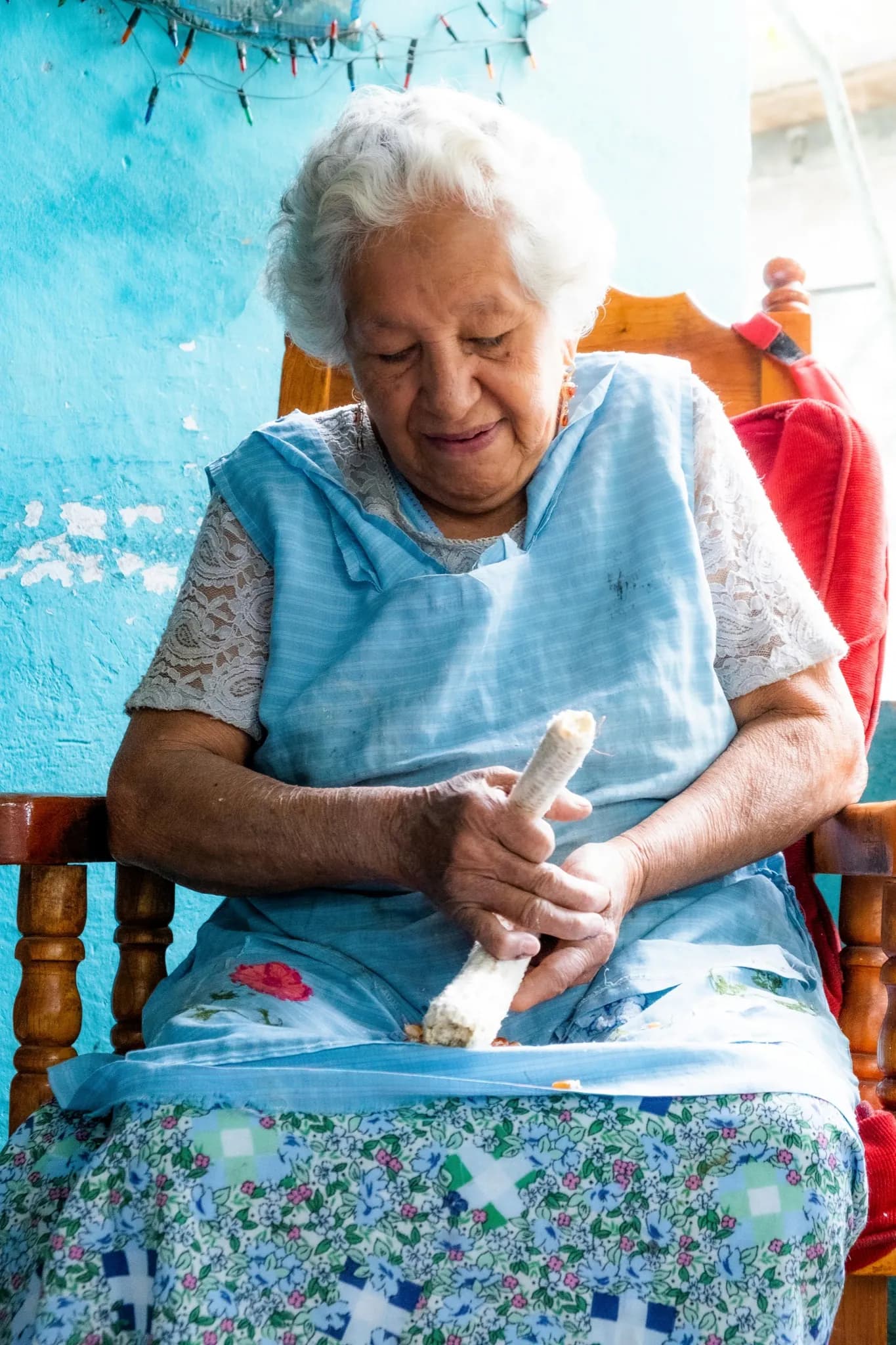
There's a particular fear that stops people cold. A family finds out they could be paid to care for their mother, their husband, their disabled adult child — and then a second thought arrives right behind the first one: if I take this money, do I lose the benefits we're already barely getting by on? The SSI check. The food assistance. The housing voucher. For a household living close to the edge, trading one lifeline for another isn't a deal worth making.
It's a smart question, and the people asking it are right to ask before they sign anything. Here's the honest, slightly complicated truth: for most live-in family caregivers, the stipend is treated in a way that protects the benefits you depend on — but "most" is not "all," and the rules differ from program to program.
This guide walks through how a caregiver stipend interacts with SSI, SNAP, Social Security, and housing assistance, where the protections come from, and the specific situations where you genuinely need to be careful. The goal is to replace a vague fear with a clear picture.
The Key Idea: "Tax-Free" and "Doesn't Count for Benefits" Are Two Different Things
Before anything else, you have to understand a distinction that trips up even some caseworkers.
Structured Family Caregiving stipends paid to a live-in caregiver are usually excluded from federal income tax as "difficulty of care" payments under IRS Notice 2014-7.[1] That's a tax rule. It's set by the IRS.
Whether that same money counts against a benefit like SSI is a separate question, decided by a different agency — usually the Social Security Administration — under its own rules.[2] The two don't automatically move together.
Taxable income and countable income are different. Taxation falls under the rules of the Internal Revenue Service. The Social Security Administration decides if Difficulty of Care payments are counted as income for SSI.
This is the single most important thing to understand: tax-free does not automatically mean benefit-safe. The good news is that the news is mostly good. But you get there by looking at each program separately, not by assuming one rule covers everything.
SSI (Supplemental Security Income)
This is the program families worry about most, because SSI is strictly needs-based and the limits are unforgiving.
SSI counts "countable income," and it reduces your monthly check as your countable income rises. The federal benefit rate in 2026 is $994 a month, and the asset limit is $2,000 for an individual.[3] If a caregiver stipend counted in full, it could wipe out an SSI check entirely.
2026 SSI FEDERAL BENEFIT RATE
$994
the maximum monthly federal SSI payment in 2026 — which is why how a stipend is counted matters so much for this program.
Here's where it gets careful. SSI is a needs-based program, and needs-based programs may treat difficulty-of-care payments differently than the IRS does — in some situations the payments can be counted as income for SSI even though they're tax-free.[4] That's the scenario to watch.
But SSI also applies generous earned-income exclusions that soften the blow. The SSA doesn't count the first $20 of most income, then doesn't count the first $65 of earned income, then counts only half of what's left.[5]
SSI EARNED-INCOME EXCLUSION
$65
the SSA disregards the first $65 of monthly earned income, then counts only half of the rest — so earnings reduce SSI far less than dollar-for-dollar.
In plain terms: even in the situations where a stipend does count for SSI, the math is gentler than people fear. A dollar earned does not mean a dollar lost. The honest takeaway for SSI is that it's the one benefit where you should get a personalized answer before enrolling, because the interaction genuinely depends on your specific situation.
SNAP (Food Assistance)
SNAP is generally friendlier territory.
SNAP eligibility is based on household income and size, with deductions that work in your favor — including an earned-income deduction that excludes 20% of earned income from the calculation.[6] And because difficulty-of-care stipends for a live-in caregiver are excluded from federal taxable income, in many cases they don't land in the income figure SNAP starts from.
SNAP EARNED-INCOME DEDUCTION
0%
the share of earned income SNAP excludes before calculating eligibility — one of several deductions that make a stipend less likely to cost you food assistance.
The practical reality: a caregiver stipend is far less likely to knock out SNAP eligibility than people assume, especially given SNAP's deductions. But SNAP rules are administered at the state level and household composition matters — who lives with you, who's in your "SNAP household," and how the income is documented all affect the outcome. It's worth confirming with your local office rather than guessing in either direction.
Social Security Retirement and SSDI
If you're drawing Social Security retirement or disability, the picture is usually reassuring.
Because difficulty-of-care payments are excluded from gross income under Notice 2014-7, they generally shouldn't be counted toward the Social Security earnings limit that can reduce retirement benefits for people below full retirement age.[7] Several caregivers have reported SSA field staff initially getting this wrong, so the practical advice is concrete: bring a copy of IRS Notice 2014-7 and your Medicaid waiver documentation when you talk to SSA, so you're not at the mercy of whoever happens to answer.[7]
There's a flip side worth knowing honestly. Because the income is excluded, it also generally doesn't get reported as wages with FICA taxes — which means it may not build Social Security credits or count toward your future benefit.[8] For most caregivers that's a fair trade for tax-free income today, but if you're close to qualifying for your own Social Security and counting on these years of earnings, that's a conversation to have with a benefits planner before you assume.
Housing Assistance (Section 8 and Public Housing)
Housing assistance is income-based, and the rules vary by program and housing authority. Some forms of assistance count caregiver income; some treat excluded income differently. There's no single national answer here, which means this is another one to verify with your specific housing authority rather than trust to a rule of thumb.
The reassuring part: because the underlying stipend is structured as excluded income for a live-in caregiver, you're often starting from a better position than you would be with ordinary taxable wages. The unreassuring part: "often" isn't "always," and housing is too important to guess about.
A Quick Map
| Benefit | General outlook for live-in SFC caregivers | What to do |
|---|---|---|
| SSI | Mixed — may count as income; softened by exclusions | Get a personalized answer first |
| SNAP | Usually friendly; deductions help | Confirm with local office |
| Social Security retirement/SSDI | Usually safe from the earnings limit | Bring Notice 2014-7 to SSA |
| Housing (Section 8) | Varies by authority | Verify with your housing authority |
SSI
- General outlook for live-in SFC caregivers
- Mixed — may count as income; softened by exclusions
- What to do
- Get a personalized answer first
SNAP
- General outlook for live-in SFC caregivers
- Usually friendly; deductions help
- What to do
- Confirm with local office
Social Security retirement/SSDI
- General outlook for live-in SFC caregivers
- Usually safe from the earnings limit
- What to do
- Bring Notice 2014-7 to SSA
Housing (Section 8)
- General outlook for live-in SFC caregivers
- Varies by authority
- What to do
- Verify with your housing authority
The pattern across the table is consistent: the structure of difficulty-of-care income tends to protect you, but every program is its own world with its own rulebook. The fear that getting paid automatically destroys your safety net is, for most families, simply wrong — but the only way to be sure is program by program.
Where This Genuinely Gets Risky
Honesty requires naming the situations where you really do need to slow down:
- You rely on SSI and it's most of your income. This is the highest-stakes case, because SSI is needs-based and the interaction is the least automatic. Don't enroll without a personalized benefits review.
- Your household has multiple benefits stacked together. When SSI, SNAP, housing, and Medicaid all interact, a change in one can ripple into others. The combination needs a careful look, not a single yes/no.
- You're counting on these years for your own Social Security record. Excluded income may not build credits. If you're near retirement, weigh that.
- You get conflicting answers from a caseworker. It happens, especially because difficulty-of-care rules aren't universally understood at the front desk. Documentation in hand is your protection.
None of these mean don't do it. They mean get a real answer for your real situation before you decide.
What This Means for Your Family
The fear that a caregiver stipend will cost you the benefits you depend on is understandable, and for a lot of families it turns out to be largely unfounded — the difficulty-of-care structure tends to protect more than it threatens. But the rules genuinely differ across SSI, SNAP, Social Security, and housing, and the one program where you must get a personalized answer is SSI. The right move is never to guess in either direction.
At Tender Home Care, we help Indiana families think through how Structured Family Caregiving fits with the benefits they're already receiving, and we'll point you to a benefits planner when your situation calls for one. We'd rather you go in with clear eyes than discover a problem later. The conversation costs nothing.
If you're still getting oriented on how the program works, start with our guide on how to get paid to care for a family member in Indiana. For the financial-eligibility side, see Indiana Medicaid income and asset limits.
Sources
[1] Internal Revenue Service. "Certain Medicaid Waiver Payments May Be Excludable From Income (Notice 2014-7).". Link.
[2] My Free Taxes Washington. "Claiming Difficulty of Care Payments as Earned Income." 2025. Link.
[3] U.S. Social Security Administration. "Understanding Supplemental Security Income — SSI Income / 2026 figures.". Link.
[4] My Free Taxes Washington. "Claiming Difficulty of Care Payments as Earned Income" — SSA vs. IRS treatment. 2025. Link.
[5] U.S. Social Security Administration. "Understanding SSI — Income Exclusions ($20 general and $65 earned income exclusions).". Link.
[6] U.S. Department of Agriculture, Food and Nutrition Service. "SNAP Eligibility — income deductions.". Link.
[7] Internal Revenue Service. "Certain Medicaid Waiver Payments May Be Excludable From Income (Notice 2014-7)" — exclusion from gross income; SSA earnings-limit interaction. Link.
[8] Internal Revenue Service. "Certain Medicaid Waiver Payments May Be Excludable From Income — FAQ on FICA treatment.". Link.
About Tender Home Care
Caring for a loved one in Indiana?
Tender Home Care is a licensed Indiana Medicaid provider helping families get paid for the care they are already giving through the Structured Family Caregiving program. If you're already caring for an aging parent, spouse, or family member, you may qualify for a tax-free weekly stipend. We'll tell you honestly whether the program is right for your situation, including when it isn't.
Keep Reading
More from the Tender blog


Let's Talk
Readytogetstarted?
Let's Talk
Ready to get started?